IVF is one treatment pathway among timed intercourse, ovulation induction and intrauterine insemination, so the right starting point depends on your age, ovarian reserve, tubes, uterus, ovulation and your partner’s semen results. By the end, you will know what tests and treatment steps to expect, how to compare fresh and frozen transfer, and which safety and cost questions to ask before beginning.
Key takeaways
- Both partners need fertility evaluation before choosing IVF.
- Ovarian reserve, ultrasound and semen tests help shape the treatment plan.
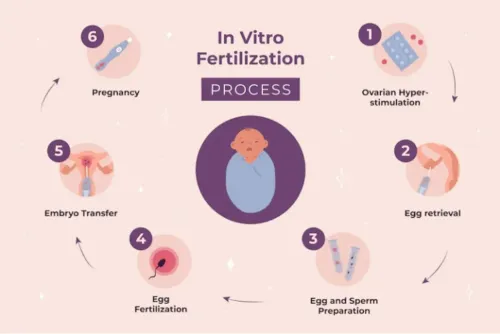
- An IVF cycle usually involves stimulation, egg retrieval, fertilisation and embryo transfer.
- Compare laboratory standards, emergency support and complication guidance before selecting a clinic.
When is IVF the right next step for you?
IVF is the right next step when age, test results or the cause of infertility makes simpler treatment unlikely to work. Both partners need evaluation.
If the woman is under 40, referral is generally considered after 12 months of regular unprotected intercourse; seek assessment sooner after age 36, or with blocked or damaged tubes, suspected endometriosis, very irregular or absent periods, diminished reproductive potential, known male-factor infertility or previous pelvic disease.
| Option | What it involves | When it fits |
|---|---|---|
| Timed intercourse | Intercourse planned around ovulation | Regular ovulation, open tubes and no major sperm problem |
| Ovulation induction | Medicines to develop and release an egg | Mild ovulation disorders |
| IUI | Prepared sperm placed inside the uterus | Selected unexplained infertility or mild sperm problems |
| IVF | Eggs and sperm meet in a laboratory; embryos are transferred | Blocked fallopian tubes, severe endometriosis, severe male-factor infertility, failed simpler treatment, or donor eggs or sperm |
Age strongly affects the decision: egg numbers and chromosomal normality decline over time, so delaying assessment can reduce options. Endometriosis and IVF require individual planning, while male-factor infertility treatment may begin with simpler measures or require IVF, especially when sperm findings are severe.
IVF is not automatically first-line; discuss the cause, duration of infertility, previous treatment and your partner’s results before choosing when to consider IVF.
Which tests shape your female IVF treatment plan?
Before medication starts, testing identifies ovarian response, correctable health issues and uterine problems; it does not predict pregnancy with certainty.
| Test | What it can tell you | What it cannot tell you |
|---|---|---|
| AMH test for IVF | Expected response and possible egg yield | Egg quality or guaranteed pregnancy |
| Antral follicle count | Follicle number and likely response | Chromosomal normality or live birth |
| Day-2 or day-3 FSH and estradiol | Additional ovarian-reserve information | A precise egg count or embryo outcome |
| Thyroid-stimulating hormone and prolactin | Hormonal problems that need treatment | Whether IVF will succeed |
| Pelvic ultrasound | Ovaries, follicles, fibroids, cysts and endometriosis clues | Every cause of infertility |
A uterine cavity assessment before IVF uses saline sonography or hysteroscopy when indicated. It can find polyps, fibroids, adhesions or a distorted cavity; infectious-disease screening follows clinic requirements and applicable law. Include semen analysis for the partner, and assess fallopian tubes when IVF is not already clearly indicated.
Age, previous ovarian surgery, endometriosis, chemotherapy, prior IVF response, medical conditions and current medicines influence protocol selection. Ask how each finding changes medication, monitoring or transfer plans.
Before pregnancy, take folic acid, stop smoking, avoid recreational drugs, limit alcohol, control diabetes and thyroid disease, and review medicines. Special diets and commercial supplements cannot replace treatment or reverse age-related egg-chromosome changes.
What happens during an IVF cycle, and how much time does it take?
An IVF cycle runs from the treatment plan to a blood pregnancy test, but the calendar varies with the protocol, ovarian response, genetic testing and transfer timing. The stimulation phase usually takes 8–14 days; a fresh transfer may follow within the same cycle, while a frozen transfer needs a later prepared uterine cycle.
1. You begin ovarian stimulation injections with gonadotropins, often given daily or according to the clinic’s schedule. Ultrasound scans and hormone tests track follicle growth, so expect repeated clinic visits from Ravet.
2. When the follicles are ready, a trigger injection completes egg maturation. Egg retrieval uses a needle guided by ultrasound and egg retrieval sedation. Arrange transport home, avoid driving, and plan a short rest period afterward.
3. Eggs and prepared sperm undergo same-day fertilisation in the laboratory. Embryos remain in culture for several days before the clinic either performs an embryo transfer or freezes them for a later cycle.
4. Transfer usually takes a short time without sedation. Mild cramping is possible, so embryo transfer discomfort does not automatically indicate a problem. The clinic may prescribe luteal support, usually progesterone, after retrieval or transfer.
5. Attend the scheduled blood pregnancy test on the clinic’s date rather than relying on an early home test, which can mislead you after trigger medication.
Egg retrieval is usually straightforward, but rare complications include bleeding, infection or injury to nearby organs. Seek urgent advice for severe pain, heavy bleeding, fever, fainting or breathlessness. Allow extra travel time for scans, retrieval and transfer.
How do fertilisation, embryo transfer and freezing choices differ?
Your fertilisation choice depends on sperm findings and previous results, not on the assumption that ICSI is automatically superior. In conventional IVF, prepared sperm and eggs are placed together in the laboratory; with ICSI, an embryologist injects one sperm into one egg.
| Option | What it means | When it applies |
|---|---|---|
| Conventional IVF | Sperm and egg fertilise together | No severe sperm problem or previous fertilisation failure |
| ICSI | One sperm is injected into one egg | Severely abnormal count, movement or shape; surgically retrieved sperm; previous failed or very low fertilisation |
| Fresh embryo transfer | Transfer during the stimulation cycle | Suitable hormone levels and uterine lining, with no reason to delay |
| Frozen embryo transfer | Transfer in a later prepared uterine cycle | Hormonal, medical, endometrial or testing-related reasons to postpone |
Routine ICSI adds laboratory intervention and cost without proven live-birth benefit for everyone. A clinic may recommend a freeze-all IVF cycle when OHSS risk is high, the hormone environment is unsuitable, you are unwell, the endometrium needs attention, or PGT-A is planned.
PGT-A screens embryo cells for chromosome-number differences; it does not guarantee a healthy baby. Biopsy and testing can leave fewer embryos available for transfer, especially when few embryos develop.
Ask why one embryo or more is advised. Single-embryo transfer often reduces twin risk; twins increase preterm birth, low birth weight, hypertension and gestational diabetes. The number transferred must follow your age, embryo factors, previous outcomes, medical factors and Indian rules—not a promise of faster success.
How can you compare IVF care and recognise complications in Ravet?
Compare IVF care by the evidence a clinic provides and its emergency plan, not by promises of success. Your IVF clinic questions should cover:
- A written diagnosis and age-specific live-birth rates
- Total IVF costs and embryo storage fees, including add-ons
- Cancellation rules and refund terms
- Embryo-storage duration, access and disposal arrangements
- Consent procedures for donor eggs, sperm or embryos
- Monitoring access, after-hours contact and complication pathways
| Check | What to verify | Why it matters |
|---|---|---|
| Provider and laboratory | Operation under India’s Assisted Reproductive Technology (Regulation) Act, 2021 and applicable rules | Confirms lawful, accountable care |
| Transfer plan | Why one or more embryos are recommended | More embryos increase twin and preterm-birth risks |
| Emergency process | Written thresholds, contact number and hospital referral plan | Protocols differ between clinics |
OHSS symptoms after IVF are a complication, not proof that treatment is working. Risk rises with polycystic ovary syndrome, high AMH or a high follicle count. Contact the clinic urgently for severe abdominal swelling or pain, vomiting, breathlessness, fainting, markedly reduced urination, rapid weight gain, heavy bleeding or fever; severe OHSS can require hospital care.
Conceive IVF-IVF Centre, IVF Clinic in Hinjewadi, Wakad, Pune can be one provider to question about monitoring access and follow-up. Ask how it prevents and manages OHSS, including whether it uses a GnRH-agonist trigger or freezes embryos for later transfer. Sex selection for non-medical reasons is prohibited under India’s PCPNDT framework.
Related service
Female Infertility Treatment Centre inRavet,Punawale,Somatane Phata,PCMC,Pune Conceive IVF,Fertility And Test Tube Baby Center is the Best Female Infertility Treatment Centre in Ravet,Punawale,Kiwale,Somatane Phata,Gahunje,PCMC... |
Frequently asked questions
When is IVF the right next step for you?
IVF becomes a treatment option when age, test results or the cause of infertility makes simpler treatment less likely to work. Both partners need evaluation.
Which tests shape your female IVF treatment plan?
The plan may use ovarian reserve tests such as AMH and antral follicle count, pelvic ultrasound, hormone testing and an assessment of the uterus and fallopian tubes. A semen analysis is also important.
What happens during an IVF cycle, and how much time does it take?
A cycle includes ovarian stimulation, monitoring scans and blood tests, egg retrieval, fertilisation and embryo transfer or freezing. The active treatment commonly takes several weeks, depending on the protocol.
How do fertilisation, embryo transfer and freezing choices differ?
Fertilisation may use conventional IVF or ICSI. Embryos can be transferred fresh or frozen, while extra suitable embryos can be cryopreserved for later use.
How can you compare IVF care and recognise complications in Ravet?
Compare the clinic’s laboratory process, doctor access, counselling, written costs and emergency arrangements. Seek urgent medical advice for severe abdominal pain, breathing difficulty, fainting, heavy bleeding or rapidly increasing bloating.