A gynecologist can identify important causes of infertility, review both partners’ results and explain whether IVF belongs in your treatment plan. By the end, you will know what to assess first, when IVF is premature, which records to bring and how to judge success, risks and alternatives realistically.
Key takeaways
- Ask whether treatable fertility problems can be managed without IVF.
- Bring menstrual, medical, surgical, medication and previous fertility-treatment records.
- Compare success rates by age, diagnosis, embryo transfer and clinic reporting methods.
- Ask what IVF adds, how long it takes and which risks apply to you.
What a gynecologist examines before discussing IVF
A gynecologist starts by determining whether you need routine care, fertility evaluation or IVF-specific counselling. These visits differ in purpose:
| Type of visit | Main purpose | What happens |
|---|---|---|
| Routine appointment | General reproductive care | Symptoms, screening and immediate treatment |
| Fertility consultation | Find possible causes of delayed conception | Both partners’ histories, examination and first-line tests |
| IVF consultation | Decide whether assisted reproduction fits | Diagnosis, prior treatment, expected steps and alternatives |
Your history includes diabetes, thyroid disease, medications, previous pelvic infections, pelvic surgery and sexual frequency. Discuss menstrual cycle length, irregular or absent periods, pain and signs of ovulation. Include miscarriages, ectopic pregnancy, deliveries and previous fertility treatments.
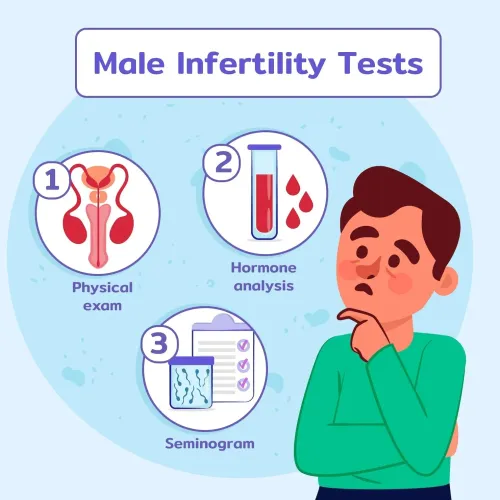
Begin evaluation for both partners together. A semen analysis is a core first-line test; assessing only the woman can delay recognition of male-factor infertility.
When indicated, assessment includes a pelvic examination, pelvic ultrasound, ovulation testing, ovarian-reserve markers and tubal-patency testing such as hysterosalpingography or saline-infusion sonography.
Seek evaluation after 12 months of regular unprotected intercourse if you are younger than 35, or after six months at 35 or older. Go sooner after 40, or with irregular periods, suspected tubal disease, endometriosis, prior pelvic surgery or known male-factor infertility.
A gynecologist can begin the work-up and refer complex infertility, recurrent pregnancy loss, diminished ovarian reserve, severe male-factor infertility or likely assisted-reproduction needs to a reproductive endocrinology and infertility specialist.
Which fertility problems may be treated without IVF
An infertility diagnosis does not make IVF automatic. The better first step may be correcting the cause, inducing ovulation, using IUI, or treating pelvic disease, depending on your age, ovarian reserve, duration of infertility, symptoms and fertility goals.
| Option | Non-IVF approach | When it applies |
|---|---|---|
| Ovulation disorder | Treat the cause, then use ovulation-induction medicine with timed intercourse or IUI | Thyroid disease and hyperprolactinemia need correction before deciding on IVF |
| Endometriosis or fibroids | Medication, surgery or a different treatment sequence | Choice depends on location, severity, pain, ovarian reserve and fertility goals |
| Blocked fallopian tube | Further evaluation or tubal surgery in selected cases | IVF becomes more suitable when both tubes are severely affected or other factors favour it |
| Male-factor infertility | Treat a medical cause, IUI or surgical sperm retrieval | IVF with ICSI fits significant male-factor infertility, surgically retrieved sperm or previous failed fertilisation |
| Unexplained infertility | A limited, individualised course of oral-medication ovarian stimulation with IUI | This commonly precedes IVF when no specific cause is found |
Preconception care remains important during fertility counselling for women: review chronic disease and medications, stop smoking, limit or avoid alcohol, check vaccination needs and take folic acid. The decision is whether IVF offers more value than a safer, less-invasive option for the diagnosis and time available—not whether IVF exists.
When IVF is worth considering—and when it is premature
Age and time trying to conceive set the urgency. Egg number and quality decline with age, so the same diagnosis may support trying longer at 30, moving sooner at 36, or discussing IVF promptly after 40. Review duration of infertility alongside ovulation, fallopian-tube status, semen results and previous treatment.
AMH, antral follicle count and day-2-to-5 FSH estimate expected response to stimulation and help plan treatment. None is a stand-alone fertility score or proof that natural conception is impossible.
IVF becomes more relevant when:
- Both tubes are severely damaged or blocked.
- Semen testing shows some forms of severe male-factor infertility.
- Diminished ovarian reserve leaves limited time.
- Lower-intensity treatment has repeatedly failed.
- Assisted reproductive technology is clearly needed to achieve pregnancy.
It is premature when the basic evaluation is incomplete, unexplained infertility has not had an appropriate initial treatment course, or thyroid disease or hyperprolactinemia remains untreated. Address severe male-factor infertility before choosing IVF, and treat or operate on a condition that requires another approach.
The decision can also include fertility preservation, donor eggs or sperm, embryo donation, adoption or stopping treatment. Counselling is decision support, not proof that IVF is medically necessary. An ivf consultation for women should explain the expected benefit, burden and alternatives rather than turn one test result into a treatment mandate.
What to take to counselling and what to ask
Bring records that let the clinician test the recommendation against your actual history:
- Previous treatment notes, medication lists, operative reports, pregnancy and miscarriage records, and ovulation records
- Your partner’s semen analysis reports
- Pelvic ultrasound images and reports, antral follicle count, AMH, day-2-to-5 FSH and estradiol, TSH, and prolactin results
- Tubal-patency results, including hysterosalpingography or saline-infusion sonography reports
Use the appointment to obtain specific answers, not a general statement that IVF is your “best option.”
| Question | What the answer should clarify |
|---|---|
| What is the working diagnosis? | Which findings support IVF, and which alternatives remain reasonable? |
| Do I need treatment first? | Whether thyroid disease, raised prolactin, endometriosis, fibroids, or tubal disease changes the sequence |
| What does my partner’s semen analysis show? | Whether ICSI is justified rather than added routinely |
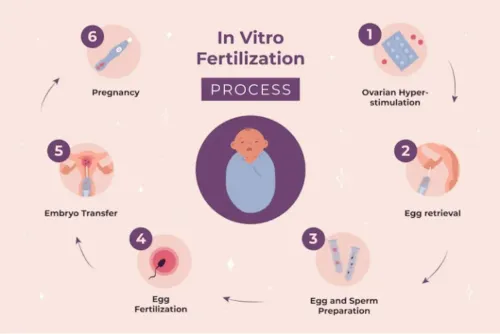
| What will treatment involve? | The number of medication injections, monitoring visits, egg-retrieval procedures, embryo decisions, and estimated cycles |
| What happens if treatment goes poorly? | The plan for few eggs, no fertilisation, or no embryo suitable for transfer |
| What is the transfer strategy? | Whether the clinic plans elective single-embryo transfer and how later frozen transfers affect cumulative treatment |
| What other choices fit us? | Fertility preservation, donor eggs or sperm, embryo donation, adoption, or stopping treatment, plus the relevant risks |
If you are comparing a gynecologist IVF counselling Hinjewadi service with an IVF counselling centre Hinjewadi, Conceive IVF-IVF Centre, IVF Clinic in Hinjewadi, Wakad, Pune can be considered when the consultation provides diagnosis-specific explanations instead of a blanket promise.
Related services
IVF Counselling Centre IVF Counselling Centre in Nigdi,Akurdi,Chinchwad,PCMC,Pune Conceive IVF,Fertility And Test Tube Baby Center is the Best IVF Counselling Centre in Nigdi,Akurdi,Chinchwad,PCMC and Pune. |
IVF Counselling Centre in Ravet,Punawale,Somatane Phata,PCMC,Pune IVF Counselling Centre in Ravet,Punawale,Somatane Phata,PCMC,Pune ₹1000 Conceive IVF,Fertility And Test Tube Baby Center is the Best IVF Counselling Centre in Ravet,Punawale,Kiwale,Somatane Phata,Gahunje,PCMC and Pune. |
How to judge IVF outcomes, timing and risk honestly
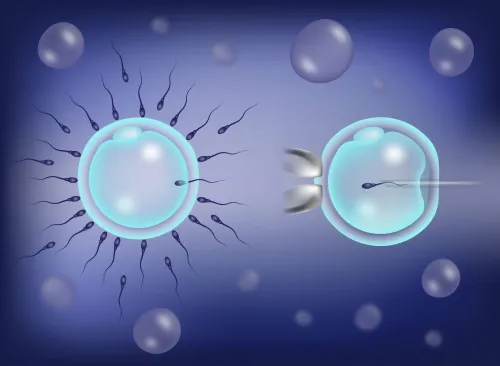
Fertilisation means sperm has joined the egg; implantation means the embryo has attached to the uterine lining. A clinical pregnancy is seen on ultrasound, but it may not end in a live birth. These outcomes answer different questions.
| Stage | What it tells you |
|---|---|
| Fertilisation | Whether an egg and sperm formed an embryo |
| Implantation | Whether the embryo attached to the uterus |
| Clinical pregnancy | Whether pregnancy is visible on ultrasound |
| Live birth | Whether treatment resulted in a baby being born |
Ask for age-specific live-birth data, the source year and the population group measured. Check whether the figure is reported per fresh cycle, egg-retrieval cycle, embryo transfer, or cumulatively across later frozen transfers. Age and embryo quality affect every stage, and no consultation can promise an embryo, pregnancy or live birth.
The main risks include:
- Ovarian hyperstimulation syndrome
- Bleeding or infection after egg retrieval
- Ectopic pregnancy
- Emotional distress from treatment uncertainty and loss
- Multiple pregnancy
Elective single-embryo transfer substantially reduces multiple-pregnancy risk compared with transferring more than one embryo. When appropriate, later frozen transfers can build cumulative treatment success without repeating egg retrieval.
Proceed now when the diagnosis, timing and expected benefit justify injections, monitoring, retrieval and emotional burden. Choose another treatment or seek a specialist opinion if key information is missing. That is shared, informed decision-making—not a sales promise.
Frequently asked questions
What does a gynecologist examine before discussing IVF?
A gynecologist reviews your fertility history, menstrual cycle, medical conditions, medications, previous pregnancies and treatments, then may recommend tests for ovulation, ovarian reserve, sperm health, the uterus and fallopian tubes.
Which fertility problems may be treated without IVF?
Ovulation disorders, some hormonal conditions, cervical factors and certain sperm-related problems may be treated with medicines, timed intercourse, surgery or IUI, depending on the diagnosis.
When is IVF worth considering, and when is it premature?
IVF deserves discussion when age, blocked tubes, severe sperm-factor infertility, diminished ovarian reserve, endometriosis or unsuccessful lower-intensity treatment affects the chance of conception. It is premature when the evaluation is incomplete or a treatable cause has not been addressed.
What should you ask during IVF counselling?
Ask about your diagnosis, alternatives, expected timeline, costs, medication effects, egg-retrieval and embryo-transfer risks, clinic outcome data, cancellation criteria and the plan if the first cycle fails.
Related service
IVF Counselling Centre IVF Counselling Centre in Hinjewadi,PCMC,Pune ₹1000 Conceive IVF,Fertility And Test Tube Baby Center is the Best IVF Counselling Centre in Hinjewadi,Maruji,Mahalunge,Kasarsai,Nerhe,PCMC and Pune. View service → |