A gynaecologist can start the IVF decision by assessing both partners, ordering initial tests and identifying treatments that may work before IVF. You will be able to recognise when a referral is needed, compare IVF with less-invasive options and ask for a realistic treatment plan rather than relying on age, AMH or a headline success rate.
Key takeaways
- Seek assessment after 12 months under age 35, or six months from age 35.
- Review ovarian reserve, semen analysis, fallopian tubes, ovulation, and medical history.
- IVF is not always first; treatable causes may need attention before it.
- Ask for timelines, required tests, likely steps, and clear reasons for the recommendation.
When should you ask a gynaecologist about IVF?
Seek a gynaecologist after 12 months of regular unprotected intercourse if the woman is under 35; this is the usual 12 months infertility evaluation under 35. From age 35 onward, seek assessment after six months.
Do not delay after age 40, or with irregular periods, suspected tubal disease, severe endometriosis, recurrent miscarriage or suspected male-factor infertility.
A gynaecologist IVF recommendation follows a review of both partners’ reproductive history. IVF is not automatically the first step; the findings may support timed intercourse, ovulation treatment, IUI, surgery or treatment for an endocrine disorder or infection.
- Start with medical history, menstrual and pregnancy history, previous miscarriages, treatments and risk factors for both partners.
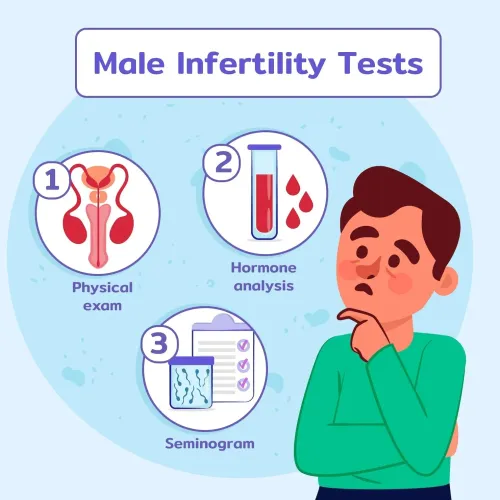
- Have a physical examination and initial tests, including ovulation assessment, semen analysis and a test of whether the fallopian tubes are open.
- Discuss less-invasive treatment, its likely benefit, time involved and alternatives.
- Review the results and decide whether referral is appropriate.
- Meet a reproductive endocrinologist or IVF specialist when assisted reproduction needs specialist planning.
Referral becomes especially important when ovarian reserve is low, tubes are blocked, sperm results are severely abnormal, infertility has lasted several years, previous treatment failed or advanced assisted reproduction may be needed.
A fertility assessment in Moshi can begin with a gynaecologist; ask when to see an IVF specialist if the initial findings point beyond routine care.
Which results shape the IVF recommendation?
The IVF recommendation rests on more than one test. Your gynaecologist reviews age, infertility duration and cause, previous pregnancies, miscarriages, prior treatment, ovulation pattern, ovarian reserve, fallopian-tube status and your partner’s semen analysis.
Key findings include:
- AMH, antral follicle count on pelvic ultrasound, and day-3 FSH and estradiol estimate how the ovaries may respond to stimulation and whether few or many eggs may be retrieved.
- For an AMH IVF decision, remember that these tests do not measure egg quality or prove natural conception is impossible.
- Cycle history, progesterone testing and ultrasound tracking show whether ovulation occurs regularly.
- Hysterosalpingography (HSG), an ultrasound-based tubal test, checks whether sperm and egg can meet. This fallopian tube test supports HSG fertility assessment without surgery.
- Semen analysis measures sperm count, movement and shape. Male-factor infertility contributes wholly or partly to many couples’ difficulties.
| Test | Main contribution | Important limit |
|---|---|---|
| AMH, antral follicle count, day-2 or day-3 FSH and estradiol | Estimate ovarian response to stimulation | Do not predict egg quality alone |
| Ovulation testing | Confirms whether and when ovulation occurs | Does not assess tubes or sperm |
| HSG or ultrasound tubal testing | Checks whether tubes are open | Does not measure ovarian reserve |
| Semen analysis | Identifies male-factor findings | Results can vary between samples |
Diagnostic laparoscopy is usually reserved for suspected endometriosis, pelvic disease or inconclusive non-invasive tests, not used routinely for everyone.
When is IVF not the first or best next treatment?
IVF is not always the best next treatment when testing identifies a treatable cause or a reasonable lower-intervention option.
1. If periods are irregular but the fallopian tubes are open and semen results are suitable, treat the cause first. Thyroid disease or high prolactin may need correction, followed by ovulation induction and timed intercourse. Treating endometriosis, fibroids or pelvic infection can also improve the chance of conception before assisted reproduction.
2. The choice between IUI versus IVF depends on age, ovarian reserve, sperm results and infertility duration. IUI may suit selected cases of unexplained infertility, mild male-factor infertility or ovulation problems. Tubal surgery before IVF may be considered for a specific, repairable blockage, but surgery is not useful for every tubal condition.
Ask what the test shows and what each alternative to IVF is expected to achieve.
3. Donor eggs, donor sperm or embryos may be discussed when egg or sperm quality, inherited genetic risk or previous treatment affects the likelihood of success. Fertility preservation may make more sense than immediate IVF when pregnancy is postponed for cancer treatment, another medical reason or personal plans.
The trade-off matters: delaying IVF can reduce time-sensitive chances as age advances. Moving directly to IVF adds injections, monitoring, egg retrieval, embryo procedures, cost and risks such as ovarian hyperstimulation and multiple pregnancy. A gynaecologist should explain both paths before recommending one.
What does the gynaecologist do, and what does the IVF specialist add?
A gynaecologist investigates menstrual, uterine, pelvic and general health problems, coordinates initial tests, treats fibroids or endocrine disorders, and explains whether referral makes sense. The gynaecologist versus IVF specialist distinction matters: the first assesses the wider causes of infertility; the second manages assisted reproduction.
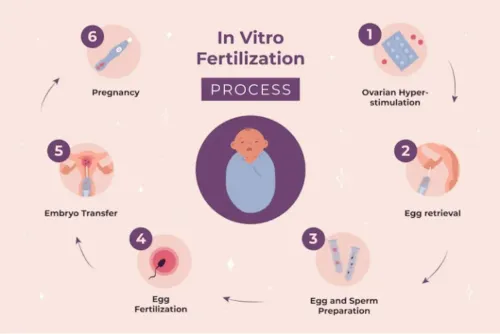
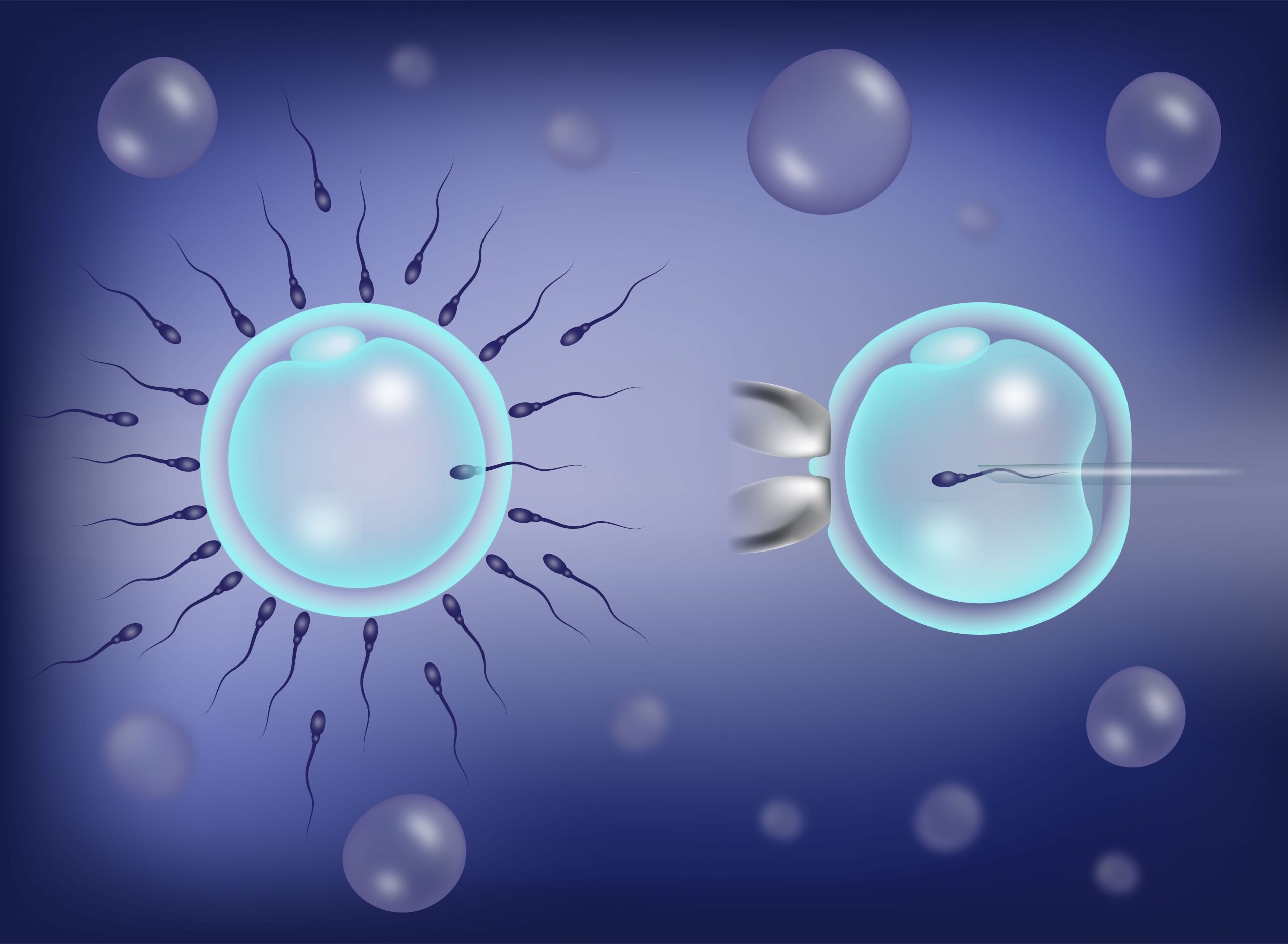
The reproductive endocrinologist or IVF specialist selects the stimulation protocol, monitors follicle growth and hormone levels, adjusts medicines, performs egg retrieval, chooses the fertilisation strategy, coordinates embryo culture and performs embryo transfer. ICSI indications include severe male-factor infertility, surgically retrieved sperm or previous very low fertilisation; routine ICSI is not automatically better for every couple.
No consultation can predict egg quality, embryo quality, implantation probability or live birth from one cycle. Symptoms cannot reveal these outcomes, and AMH or age alone cannot guarantee success.
Ask the team to explain these decisions:
- Whether single embryo transfer is suitable. Transferring one embryo reduces twin and higher-order pregnancy risks, although another transfer may be needed.
- What the plan is for ovarian hyperstimulation syndrome, including severe abdominal swelling, vomiting or breathing difficulty. Ask which symptoms require urgent review and whether emergency care is available locally or through rapid referral.
- Which tests, medicines, monitoring, retrieval, embryo culture and follow-up the gynaecologist will coordinate, and which the IVF specialist will provide.
- Why ICSI is proposed, if it is, and which specific finding supports it.
A clear division of duties gives you a safer plan and prevents a procedure being recommended simply because it is available.
How can you judge whether an IVF plan in Moshi is realistic?
A realistic IVF plan names the problem it treats, the expected benefit, alternatives, planned attempts, risks and total estimated cost. Use these questions to compare clinics rather than relying on a headline package price.
- Ask for the diagnosis, alternatives considered, expected benefit and number of planned attempts, including medicine, egg-retrieval and embryo-transfer risks.
- Request an age-specific IVF success rate live birth figure, not an unlabelled pregnancy rate. Ask whether it is measured per egg-retrieval cycle, embryo transfer, fresh cycle or cumulative frozen transfers.
- Use this IVF cost checklist: investigations, medicines, anaesthesia, ICSI, sperm retrieval, embryo freezing, storage, frozen-embryo transfer and complication care.
- In Moshi, ask where blood tests, ultrasound monitoring, egg retrieval, embryo culture, cryostorage and emergency care will occur. Confirm arrangements when services use different sites.
| Rate basis | What it tells you | What to clarify |
|---|---|---|
| Egg-retrieval cycle | Outcome after stimulation and retrieval | Does it include all resulting transfers? |
| Embryo transfer | Outcome after one transfer | Fresh or frozen embryo? |
| Fresh cycle | Transfer in the retrieval cycle | Are later frozen transfers excluded? |
| Cumulative frozen transfers | Combined outcome across stored embryos | Over what period and for which age group? |
During a consultation with Conceive IVF-IVF Centre, IVF Clinic in Hinjewadi, Wakad, Pune, ask the team to document why IVF is recommended, which alternatives were considered, and when specialist or emergency referral is required. Reject pregnancy guarantees and any IVF recommendation made without testing both partners.
Related services
IVF Counselling Centre in Moshi IVF Counselling Centre in Moshi,PCMC,Pune Conceive IVF,Fertility And Test Tube Baby Center is the Best IVF Counselling Centre, IVF Treatment Centre in Moshi, Chakan, PCMC and Pune. View service → |
Low Cost IVF Centre in Moshi Low Cost IVF Centre in Moshi,PCMC,Pune Conceive IVF,Fertility And Test Tube Baby Center is the Best Low Cost IVF Centre in Moshi, Chakan, PCMC and Pune. View service → |
Frequently asked questions
When should you ask a gynaecologist about IVF?
Ask for an infertility assessment after 12 months of regular unprotected intercourse if the woman is under 35. From age 35 onward, seek assessment after six months. Seek help sooner with irregular or absent periods, suspected endometriosis, previous pelvic infection, known tubal problems, recurrent miscarriage, or abnormal semen results.
Which results shape the IVF recommendation?
The recommendation depends on ovarian reserve tests such as AMH and antral follicle count, ovulation history, ultrasound findings, fallopian-tube assessment, semen analysis, age, duration of infertility, and previous treatment. Your clinician should explain how each result changes the next step.
When is IVF not the first or best next treatment?
IVF may not be the first step when ovulation can be restored, thyroid or prolactin problems need treatment, intercourse timing or medication is appropriate, surgery could address a specific tubal or uterine problem, or IUI is reasonable for the clinical situation. The right choice depends on the diagnosis and both partners' results.
What does the gynaecologist do, and what does the IVF specialist add?
A gynaecologist evaluates menstrual, hormonal, uterine, tubal, and general reproductive health and treats conditions that affect fertility. An IVF specialist adds detailed assisted-reproduction planning, including stimulation, egg retrieval, laboratory fertilisation, embryo transfer, and decisions about ICSI or embryo freezing.
How can you judge whether an IVF plan in Moshi is realistic?
Ask which diagnosis supports IVF, which tests are still needed, how many clinic visits and injections the cycle involves, what happens if the response is low, and what alternatives exist. Confirm laboratory facilities, emergency contact arrangements, medication instructions, the total expected timeline, and which outcomes the clinic is and is not promising.