An IVF counselling appointment should do more than recommend a treatment: it should connect your medical history, both partners’ results, available alternatives, risks, costs and personal priorities. By the end of the process, you should understand whether IVF fits your situation, what the cycle involves and which decisions require your informed consent.
Key takeaways
- Bring cycle records, treatment history, medicines and previous medical reports.
- AMH estimates ovarian reserve but cannot predict whether IVF will succeed.
- Compare timed intercourse, ovulation medicines, IUI and IVF against your diagnosis.
- Ask about consent, costs, timelines, emotional support and what happens after treatment.
What should you bring to the first IVF counselling appointment?
Bring enough information to build a complete fertility history, not just an IVF plan. Record your menstrual cycle length, bleeding pattern, ovulation symptoms, prior pregnancies and fertility treatments, miscarriages, ectopic pregnancies, pelvic infections, surgeries, current medicines and supplements.
- Note thyroid disease, diabetes, endometriosis, smoking, alcohol use, sleep problems, weight changes and relevant family history.
- State clearly if periods are irregular or absent; this can change the urgency and direction of evaluation.
- Include the male partner’s medical history, previous children, testicular injury or surgery, infections, heat exposure, medicines, anabolic-steroid use and sexual or ejaculation difficulties.
- Attend together when possible. A semen analysis is a basic infertility test, even when IVF is being considered.
- Ask what the IVF counselling appointment covers, who reviews test results, how consent is recorded, what happens if treatment is cancelled and how emergency concerns are handled.
Seek urgent medical review for severe pelvic pain, heavy bleeding, fainting, shoulder-tip pain, suspected ectopic pregnancy or a positive pregnancy test with pain. Markedly irregular periods also warrant prompt assessment.
Fertility evaluation is advised after 12 months of regular unprotected intercourse when the egg provider is under 35, after six months at ages 35 to 39, and without delay at age 40 or older or when a risk factor exists.
Which tests explain the fertility picture—and what can they not prove?
No single fertility test explains everything. Counselling connects cycle history, symptoms and treatment history with ovarian-reserve testing, TSH testing, ovulation assessment, pelvic ultrasound, tubal-patency testing and semen analysis.
| Test | What it can show | What it cannot prove |
|---|---|---|
| AMH and antral follicle count | Likely ovarian response to stimulation and possible egg yield | Egg quality, natural conception being impossible or a live birth |
| TSH testing | Thyroid problems that may affect reproductive care | The complete cause of infertility |
| Ovulation assessment and pelvic ultrasound | Whether ovulation is occurring and what the uterus, ovaries and follicles look like | That every fertility factor is normal |
| Tubal-patency testing | Whether sperm can reach an egg through open tubes | That pregnancy will occur; blocked tubes reduce the value of timed intercourse or intrauterine insemination |
| Semen analysis | Sperm concentration, movement and morphology | That one result explains the whole fertility picture |
An abnormal semen analysis may justify repeat testing or specialist review. A counsellor should interpret results alongside age—especially the age of the person providing eggs—because egg number and chromosomal normality change with age, plus infertility duration, symptoms, prior treatment and both partners’ histories.
AMH and antral follicle count mainly guide stimulation expectations; they do not predict a live birth. Treat a diagnosis as a working explanation, not a verdict. Ask which result changes the plan, which test is optional and when repeating it is justified.
How do you decide between IVF and other fertility treatments?
IVF is not automatically the next step; counselling should compare it with less invasive options and explain why one fits your circumstances.
| Option | When it may fit | Key trade-off |
|---|---|---|
| Timed intercourse | Ovulation occurs and tubes and sperm factors are favourable | Takes time and may be unsuitable after prolonged infertility |
| Ovulation induction | Irregular or absent ovulation is the main problem | Requires monitoring and carries a multiple-pregnancy risk |
| Intrauterine insemination | At least one tube is open and sperm impairment is mild | Less effective when sperm impairment or tubal disease is severe |
| Surgery | Blocked tubes, endometriosis or a correctable pelvic problem is identified | Involves procedural risks and may delay other treatment |
| Donor-assisted treatment | Egg or sperm factors make the patient’s own gametes unsuitable or unacceptable | Requires discussion of cost, consent and donor-conception choices |
| IVF | Tubal blockage, severe sperm impairment or failed previous treatment points to a higher chance of success | Involves injections, monitoring, retrieval, laboratory treatment and greater cost |
The decision weighs the egg provider’s age, ovarian reserve, tubal status, sperm factors, infertility duration, previous treatment and your priorities: time, budget, injections and views about donor eggs or sperm. Ask for the reason in plain language.
ICSI can suit severe male-factor infertility, surgically retrieved sperm or previous fertilisation failure. Routine ICSI for non-male-factor infertility has not consistently improved live-birth outcomes and adds laboratory intervention and cost.
Ask whether each add-on—endometrial scratching, immune testing or treatment, assisted hatching or acupuncture—improves live birth, causes harm, costs extra and is truly required.
Compare outcomes by age, diagnosis, donor-egg use, embryo stage and whether results are measured per retrieval, transfer or cumulatively. A headline pregnancy rate cannot choose for you.
What happens after counselling if you proceed with an IVF cycle?
After counselling, IVF unfolds as a sequence of decisions, not one procedure. Ovarian stimulation uses medicines to develop multiple follicles, with ultrasound scans and blood tests tracking response. When follicles are ready, a trigger injection completes final egg maturation before egg retrieval collects the eggs.
The partner or donor provides sperm; surgically retrieved sperm may be considered for a specific male-factor problem. In the laboratory, eggs and sperm undergo fertilisation, followed by embryo culture for several days.
| Option | What happens | Main decision point |
|---|---|---|
| Fresh embryo transfer | An embryo is transferred in the same cycle | Suitable lining, hormone levels and embryo available |
| Freeze-all cycle | Embryos are frozen for a later embryo transfer | OHSS risk, medical timing or a need for further testing |
| No transfer | Treatment stops before transfer | Too few eggs, fertilisation failure or poor embryo development |
Ask what happens if too few eggs are retrieved, fertilisation fails, embryo development stops or a transfer is cancelled. Ovarian hyperstimulation syndrome (OHSS) can cause abdominal swelling, vomiting, fluid shifts, blood clots and kidney problems.
Risk reduction may include an individualised protocol, a GnRH-antagonist cycle, a GnRH-agonist trigger, cabergoline in selected cases or freezing all embryos.
Transferring more than one embryo raises twin and premature-birth risks, so discuss elective single-embryo transfer. Preimplantation genetic testing for aneuploidy (PGT-A) requires embryo biopsy, can yield mosaic or inconclusive results and does not guarantee a healthy baby. Confirm consent for treatment, embryo storage and withdrawal of consent under applicable law and clinic policy.
How can an IVF counselling centre support decisions beyond the treatment plan?
Use IVF counselling support to turn medical information into decisions you can understand, question and revisit. The process should cover alternatives to IVF, expected benefits and limitations, emotional effects, treatment costs and the chance that you may need more than one cycle.
1. Ask for a written plan naming the proposed protocol, monitoring schedule, likely decision points, medication instructions, laboratory steps, expected treatment costs and cancellation rules. It should explain what happens if too few eggs are retrieved, fertilisation fails, embryos stop developing or transfer is cancelled.
2. Request preconception counselling covering folic acid, medicine review, chronic-condition management, vaccination status, smoking, alcohol, weight and screening based on your history. These steps support pregnancy safety; they do not replace treatment for blocked tubes, severe male-factor infertility, endometriosis or diminished ovarian response.
3. Use emotional support for uncertainty, treatment stress, grief after failed cycles, pregnancy loss, donor conception, disclosure questions and relationship strain. It supports coping, but counselling alone does not increase embryo implantation or live-birth rates.
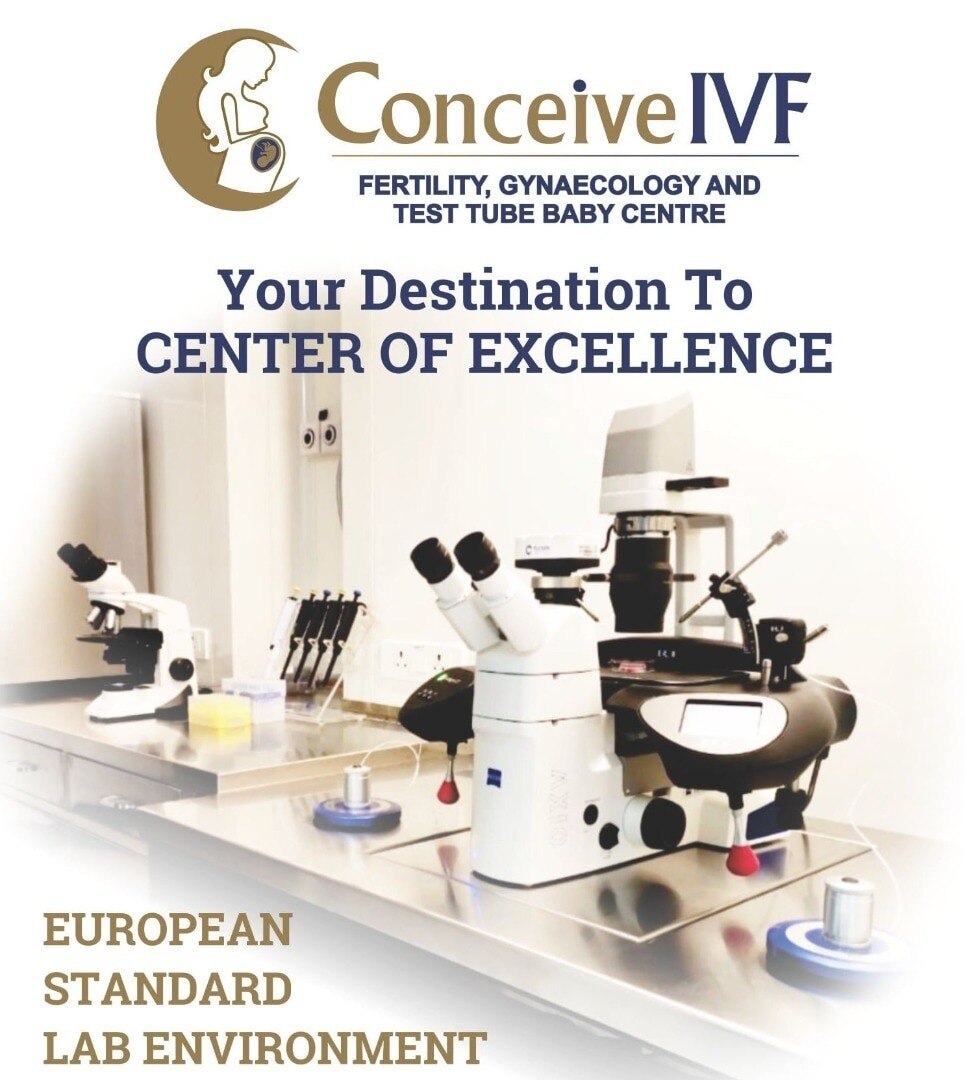
If you compare care in Ravet, ask whether Conceive IVF-IVF Centre, IVF Clinic in Hinjewadi, Wakad, Pune coordinates both partners’ evaluation, explains alternatives and communicates monitoring results clearly. Confirm who gives medical advice, handles urgent symptoms, arranges follow-up after a failed cycle or pregnancy loss, stores embryos and records informed consent.
Ask how you can change or withdraw consent under clinic policy and applicable law.
Related service
IVF Counselling Centre in Ravet,Punawale,Somatane Phata,PCMC,Pune IVF Counselling Centre in Ravet,Punawale,Somatane Phata,PCMC,Pune ₹1000 Conceive IVF,Fertility And Test Tube Baby Center is the Best IVF Counselling Centre in Ravet,Punawale,Kiwale,Somatane Phata,Gahunje,PCMC and Pune. |
Frequently asked questions
What should you bring to the first IVF counselling appointment?
Bring menstrual cycle records, ovulation symptoms, pregnancy and miscarriage history, prior treatment details, pelvic infection or surgery records, current medicines and supplements, and previous test reports.
Which tests explain the fertility picture—and what can they not prove?
Tests such as semen analysis, ovarian reserve tests, ultrasound, tubal evaluation and hormone tests identify specific factors, but no single test can prove that IVF will succeed or fail.
How do you decide between IVF and other fertility treatments?
Compare the diagnosis, duration of infertility, age-related factors, tubal and sperm findings, previous treatment outcomes, time, cost, medical burden and personal preferences before choosing timed intercourse, medication, IUI or IVF.
What happens after counselling if you proceed with an IVF cycle?
You review consent forms, treatment timing, medicines, monitoring appointments, egg retrieval, fertilisation, embryo development, transfer or freezing, and the pregnancy test schedule.
How can an IVF counselling centre support decisions beyond the treatment plan?
Counselling can help you understand consent, finances, practical scheduling, emotional strain, partner communication, treatment boundaries and decisions about unused embryos or future cycles.