Male IVF care starts with evaluating both partners at the same time, not with waiting for a failed IVF cycle. You will learn what happens at the male partner’s first appointment, how to prepare for testing, when specialist referral or genetic evaluation is needed, and how results shape sperm retrieval and IVF decisions.
Key takeaways
- Male fertility evaluation should happen alongside the female partner’s assessment.
- Avoid ejaculation for 2 to 5 days before semen analysis.
- Repeat abnormal semen results before making treatment decisions.
- Genetic evaluation matters when sperm counts are extremely low or absent.
What happens at the male partner’s first gynecology appointment?
The first appointment with a gynecologist in Bhosari starts with evaluation, not automatic IVF or ICSI. Male IVF care includes assessing both partners together because delaying the male fertility evaluation can miss a treatable cause.
1. The doctor takes a medical history for infertility assessment: duration of trying to conceive, sexual function, prior pregnancies, previous semen results, infections, testicular injury, undescended testes, childhood illnesses, surgery and earlier fertility treatment.
They also ask about diabetes, fever or recent illness, prescription medicines, finasteride, testosterone therapy, anabolic steroids, cannabis, tobacco, alcohol, heat exposure, pesticides, solvents and other occupational risks.
2. A focused genital examination checks testicular size, tenderness, masses, epididymal abnormalities and a clinically palpable varicocele. An ultrasound-only, subclinical varicocele is not automatically treated.
3. The next step depends on these findings: semen testing is common; hormone testing, imaging, genetic evaluation or referral follows when indicated. FSH and testosterone receive attention with very low or absent sperm, small testes, low libido, erectile symptoms or suspected endocrine disease.
Counselling covers realistic treatment pathways, complete semen collection or freezing a backup sample, follow-up timing and referral needs. Testosterone can suppress sperm production, so never stop or change prescribed treatment without reproductive-specialist guidance.
How to prepare for semen analysis and understand the report
Use 2–7 days of ejaculatory abstinence before semen analysis. A shorter or longer interval can change the result and make comparison difficult.
1. Collect the entire sample by masturbation directly into the sterile container supplied by the laboratory. Do not use a household jar, condom or lubricant unless the laboratory specifically provides an approved product.
2. Tell the laboratory if any semen spills during collection. A missing first portion can reduce the reported semen volume, sperm concentration and total sperm count.
3. Record the collection time and deliver the sample within the laboratory’s stated limit, commonly within 60 minutes. Keep it close to body temperature during transport; do not refrigerate it or expose it to excessive heat.
4. Ask the laboratory to explain its report. Semen volume measures fluid quantity; sperm concentration measures sperm per millilitre; total sperm count measures sperm in the whole ejaculate. Total motility includes all moving sperm, while progressive motility counts sperm moving forward.
Morphology assesses sperm shape, vitality measures the proportion alive, and round cells include immature sperm cells or white blood cells. Leukocytes are white blood cells that can support concern about inflammation or infection.
A semen analysis is not a pass-or-fail fertility test. Results vary between ejaculates, so repeat an abnormal result, especially after fever, illness, incomplete collection or an unsuitable abstinence interval. Obtain at least two analyses, ideally about one month apart.
Semen culture is useful when infection is suspected, such as with leukocytes, genital pain, discharge or an abnormal clinical finding. It is not routine testing for everyone.
When are hormone tests and lifestyle review needed?
Hormone testing is targeted, not automatic for every man. FSH and total testosterone are especially relevant with oligozoospermia, azoospermia, low libido, erectile dysfunction, small or atrophic testes, or signs of an endocrine disorder. An FSH test in male infertility assessment helps judge sperm-production function.
The LH test assesses pituitary-to-testis signalling. A prolactin test for fertility is considered with low libido, erectile symptoms, or an unexpectedly low testosterone result. Order thyroid testing when symptoms or examination suggest thyroid disease or another endocrine cause.
High FSH can point to impaired sperm production; low testosterone with abnormal LH or FSH can suggest a hormonal signalling problem.
The consultation also reviews exposures and medicines that can alter sperm production:
- Testosterone injections or gels, anabolic-androgenic steroids, finasteride, and medicines for chronic disease
- Diabetes control, smoking, alcohol and cannabis use
- Recent fever or illness, frequent heat exposure, and contact with pesticides, solvents or other workplace chemicals
Prescribed testosterone can suppress pituitary signals and sharply reduce or stop sperm production. It is not a fertility treatment. Do not start, stop or replace it without guidance from a reproductive specialist, who can assess safer options while you are trying to conceive.
When does a gynecologist refer you for specialist or genetic evaluation?
Referral is appropriate for azoospermia, severe oligospermia, erectile or ejaculatory problems, testicular pain, a palpable varicocele, suspected blockage, an abnormal examination, or possible surgical sperm retrieval. An andrologist, urologist, or male reproductive specialist can determine whether the problem involves sperm production, sperm transport, or sexual function.
Azoospermia means no sperm are seen in the ejaculate; it does not prove that the testes produce none.
| Type | What it means | Decisions it may change |
|---|---|---|
| Obstructive azoospermia | A blockage exists despite potentially preserved sperm production | Reconstructive surgery, epididymal retrieval, or testicular retrieval |
| Non-obstructive azoospermia | Sperm production is impaired | Testicular evaluation or selected microdissection TESE |
Genetic evaluation is considered for absent sperm or severe sperm-count abnormalities. Karyotype testing for male infertility and Y-chromosome microdeletion testing can identify chromosome or Y-chromosome causes. Request CFTR testing when congenital absence of the vas deferens is found or obstructive azoospermia is suspected.
Results can change retrieval and treatment choices and raise the possibility of passing a genetic cause to a son.
A clinically palpable varicocele, infertility, and abnormal semen parameters form a different situation from a subclinical varicocele visible only on ultrasound. The latter is generally not repaired solely to improve fertility. A specialist referral also helps separate treatable blockage from impaired production before an irreversible procedure is chosen.
How test results shape sperm retrieval, ICSI and follow-up
The diagnosis determines whether treatment uses ejaculated sperm, sperm freezing, or sperm retrieval on the egg-retrieval day. Azoospermia means no sperm appear in semen, not that the testes produce none.
1. Use ejaculated sperm when the sample contains usable sperm. If count or motility is borderline, discuss sperm freezing before treatment. A frozen ejaculated sample, or a previously retrieved sample, provides backup if collection fails or the fresh sample is unusable. The laboratory’s protocol and the sperm’s quantity and movement guide this choice.
2. Consider testicular sperm aspiration or extraction for obstructive azoospermia, where a blockage exists despite preserved production. Selected men with non-obstructive azoospermia may need microdissection TESE, which searches the testis for limited areas of sperm production. These procedures require an andrologist or urologist.
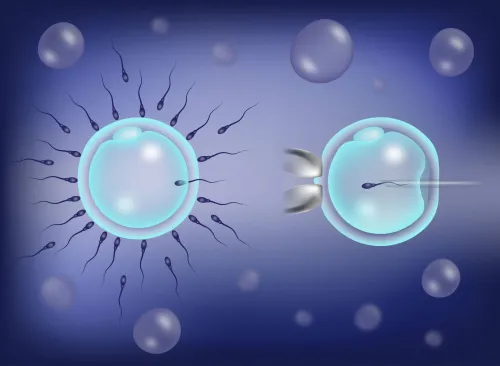
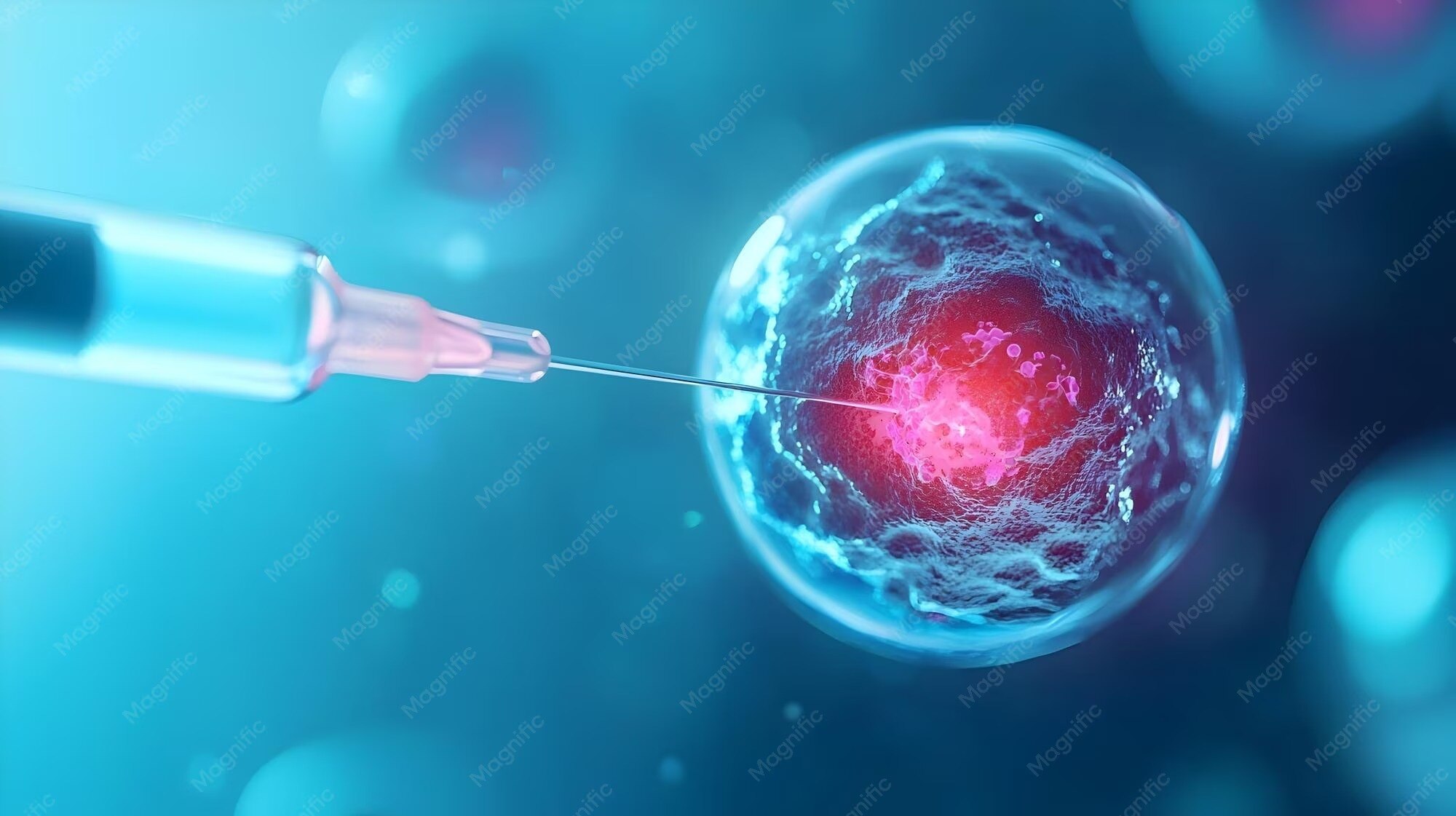
3. Pair retrieved sperm with ICSI for male infertility because numbers are limited. ICSI injects one sperm into each mature egg and can bypass very low count, poor motility, or the need for surgical collection. It cannot repair sperm DNA damage, remove a genetic cause, or guarantee fertilisation, embryo development, or pregnancy.
Routine sperm DNA-fragmentation testing is not part of every initial evaluation. Discuss it after recurrent pregnancy loss or repeated assisted-reproduction failure, remembering that an abnormal result does not identify one universally effective treatment.
Conceive IVF-IVF Centre, IVF Clinic in Hinjewadi, Wakad, Pune can coordinate results, counselling, collection timing and follow-up, while referring surgical decisions and complex male-factor cases to the appropriate specialist.
Related services
Male Infertility Treatment Centre in Bhosari Male Infertility Treatment Centre in Bhosari,PCMC,Pune Conceive IVF,Fertility And Test Tube Baby Center is the Best Male Infertility Treatment Centre in Bhosari, Dighi, Charholi, Alandi, PCMC and Pune. View service → |
Female Infertility Treatment Centre in Bhosari Female Infertility Treatment Centre in Bhosari,PCMC,Pune Conceive IVF,Fertility And Test Tube Baby Center is the Best Female Infertility Treatment Centre in Bhosari, Dighi, Charholi, Alandi, PCMC and Pune. View service → |
Frequently asked questions
What happens at the male partner’s first gynecology appointment?
The gynecologist reviews both partners’ medical and fertility history, discusses sexual and reproductive health, and orders tests such as semen analysis when appropriate.
How should you prepare for semen analysis?
Avoid ejaculation for 2 to 5 days, collect the entire sample in the clinic container, keep it near body temperature, and deliver it within the laboratory’s stated time.
When are hormone tests and lifestyle review needed?
Hormone tests are useful when semen analysis shows low sperm production, absent sperm, reduced libido, erectile problems, or testicular findings. Review medications, smoking, alcohol, heat exposure, weight, sleep, and anabolic steroid use.
When is specialist or genetic evaluation recommended?
Referral is important for azoospermia, very low sperm concentration, repeated severe abnormalities, testicular or hormonal problems, or a family history suggesting inherited fertility conditions.
How do test results shape sperm retrieval, ICSI, and follow-up?
Results help determine whether treatment targets the cause, uses ejaculated sperm, requires surgical sperm retrieval, or uses ICSI. Follow-up tracks semen, hormone, and treatment changes before the next decision.
Related services
IVF Consultant,IVF Specialist,IVF Doctor in Bhosari IVF Consultant,IVF Specialist,IVF Doctor in Bhosari,PCMC,Pune Dr Madhuri Roy is a A Reliable and one of the Best IVF Consultant, IVF Expert, IVF Specialist, IVF Doctor in Bhosari, Dighi, Charholi, Alandi, PCMC... View service → |
ICSI Treatment Centre in Bhosari ICSI Treatment Centre in Bhosari,PCMC,Pune Conceive IVF,Fertility And Test Tube Baby Center is the Best ICSI Treatment Centre in Bhosari, Dighi, Charholi, Alandi, PCMC and Pune. View service → |
Previous IVF Failure Treatment Centre in Bhosari Previous IVF Failure Treatment Centre in Bhosari,PCMC,Pune Conceive IVF,Fertility And Test Tube Baby Center is the Best Previous IVF Failure Treatment Centre in Bhosari, Dighi, Charholi, Alandi, PCMC and... View service → |